The Illinois Forestry Development Council and the Illinois Department of Natural Resources Division of Forestry recently published a directory of active sawmills located within the State of Illinois.
If you are a mill owner and would like to be included in this directory, please inquire at:
Illinois Department of Natural Resources, Division of Forest Resources ATTN: Wood Utilization and Marketing 1 Natural Resources Way, Springfield, IL 62702
The 4-H Memorial Camp serves as a youth camp and retreat center seeing thousands of guests from across the state every year (6000 in 2024). The forest located on the property has seen less and less use due to invasive species, overgrown trails, and tree diseases and pests destroying whole sections. After 70 years of growth and change, we knew it was time for changes to be made to provide learning opportunities, including hands on education, for Illinois youth and adults.
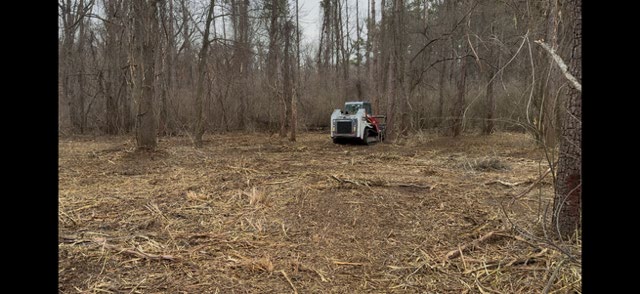
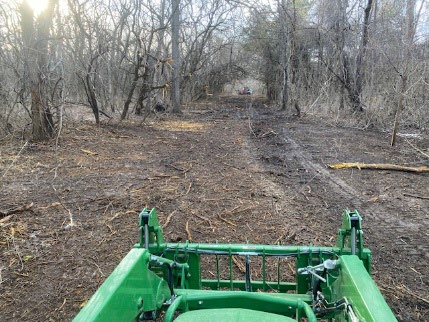
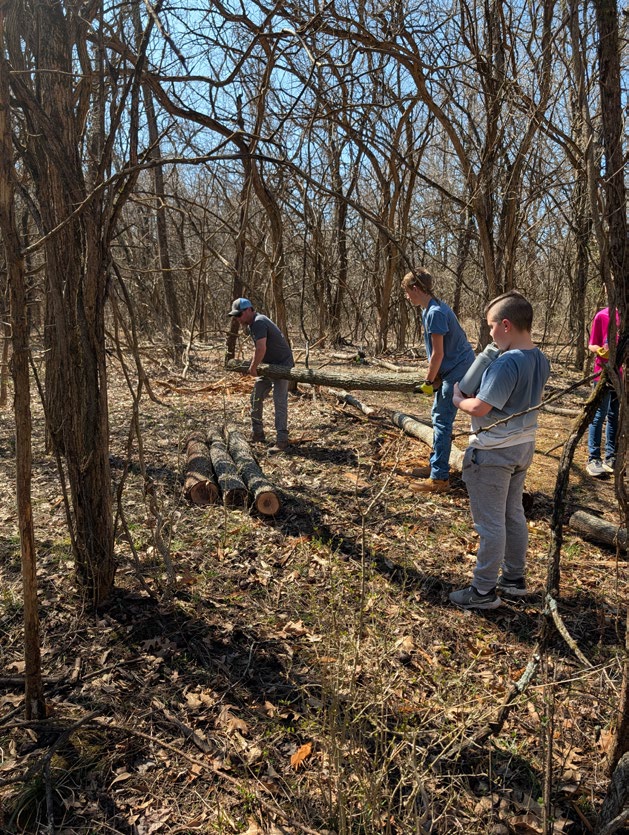
To increase the use and access of the forest, we rented a skid steer, utilized staff and volunteer help and camp equipment to clear the overgrown fire trails and overgrown forests. We removed invasive species and downed trees on approximately 8 acres of forest.
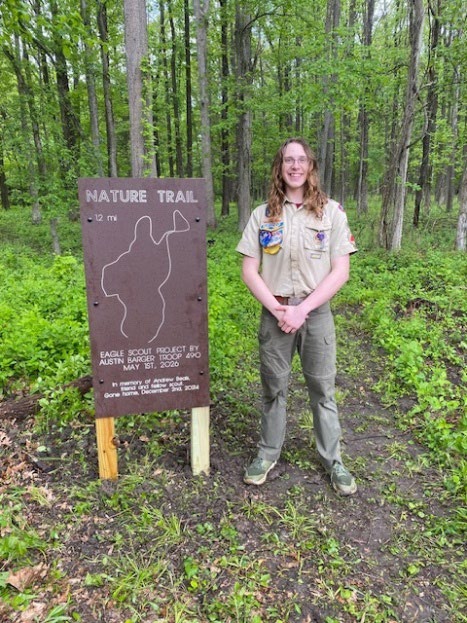
Austin Barger, a local Scout working on his Eagle Scout badge, planned and built a nature trail in the camp forest. Austin worked with local forestry professionals and Extension Staff to identify the locations of stopping points and what information can be shared there. He held fund raising events for materials, recruited volunteers, and held workdays. A sign was designed and routed out by the Monticello High School shop teacher. The 1.2-mile trail has 12 stops with a pamphlet designed by Austin describing the topic for each stop.
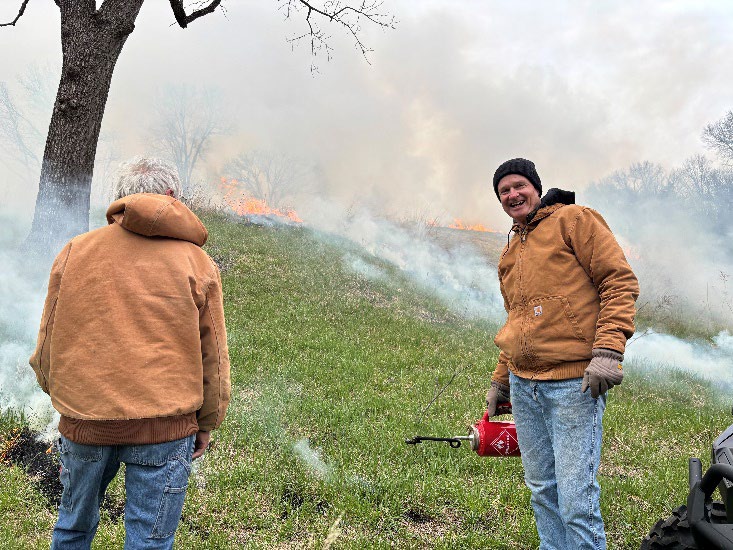
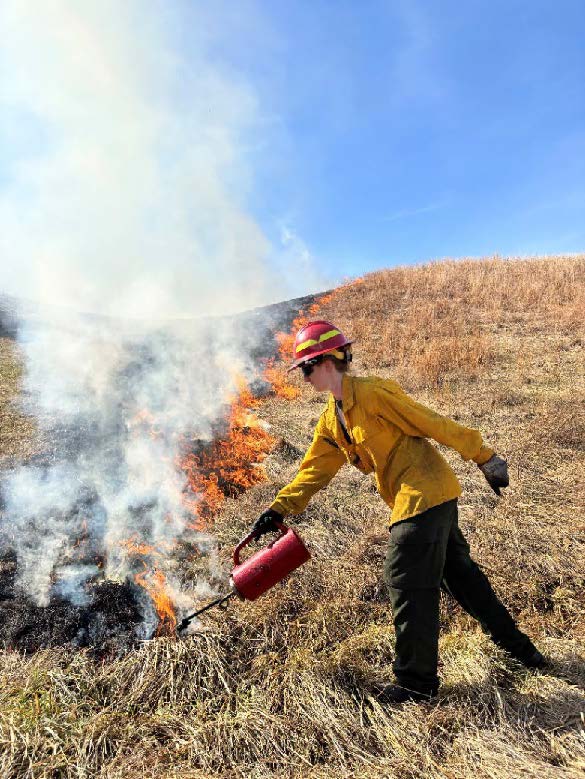
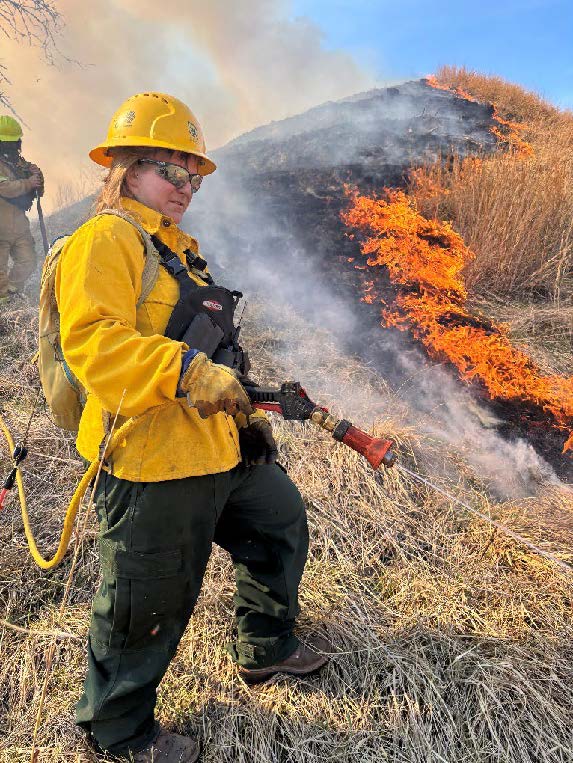
Opening of previous fire trails have allowed us to expand the areas of controlled/prescribed burns. As part of this project, we performed controlled burns on 12.4 acres of the camp forest.
We have had many school groups here at camp already this spring who have utilized this new nature trail as part of their field day retreats. The freshly cleared areas, well defined trails, and educational points of interest make it very user friendly, allowing it to be led by one of our staff/volunteers or a group on their own with an adult leading them. Use of the nature trail, as well as the newly reopened fire trails, will be woven into our outdoor education programming for this summer and years to come as it clearly shows what forest management can do to improve the overall health of our forested areas.
The project cleared heavy infestations of woody invasive speciesFire lines and trails were cleared of downed logs to facilitate better access to the forestAustin Barger designed and installed a Nature Trail for his Eagle Scout project
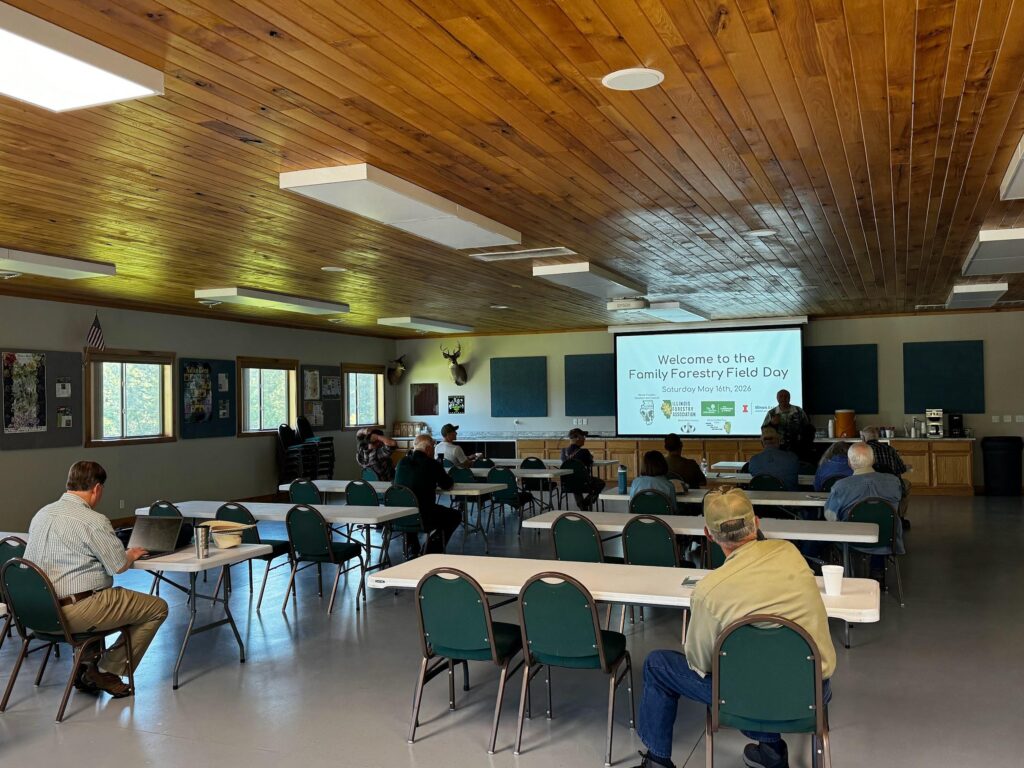
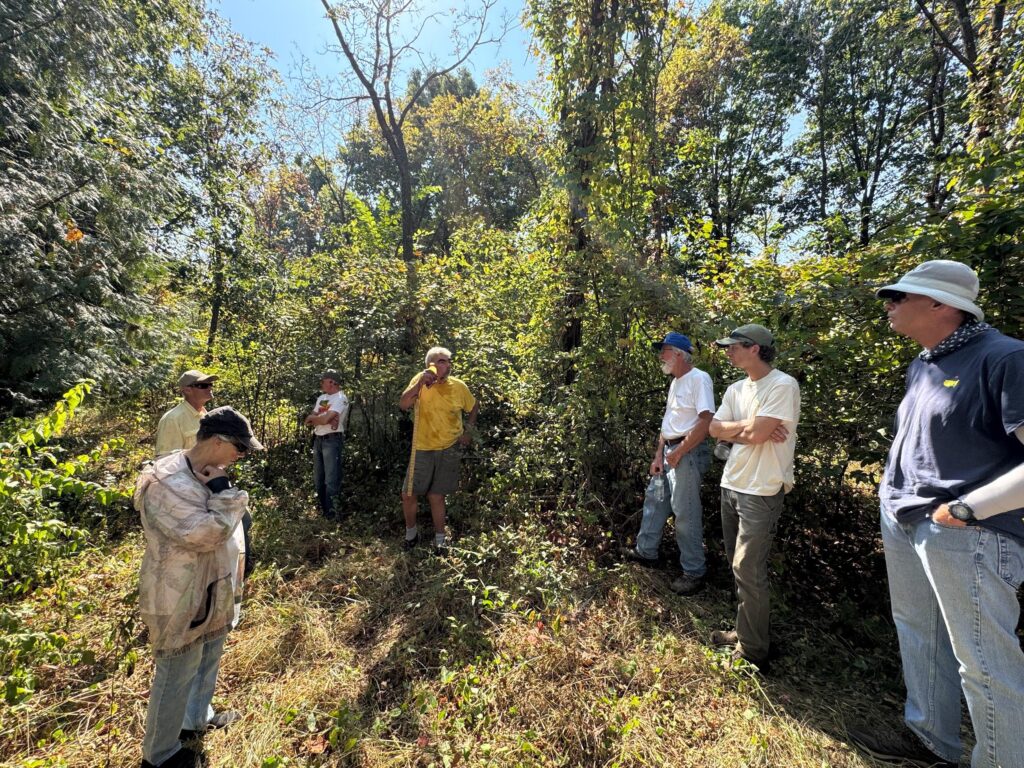
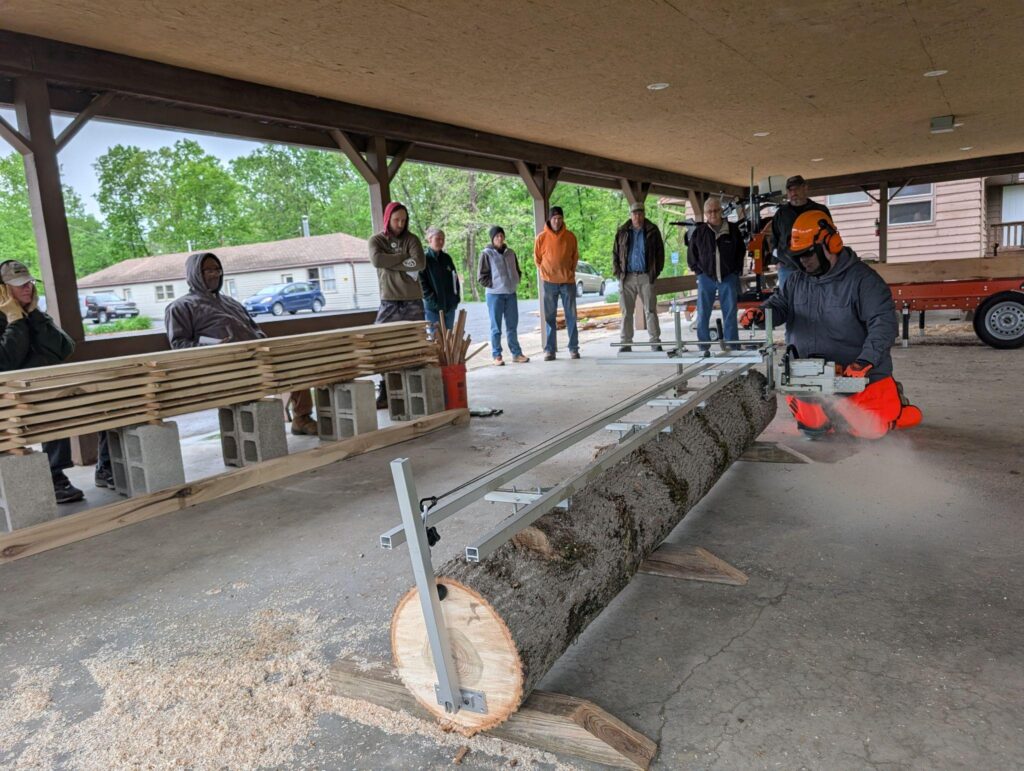
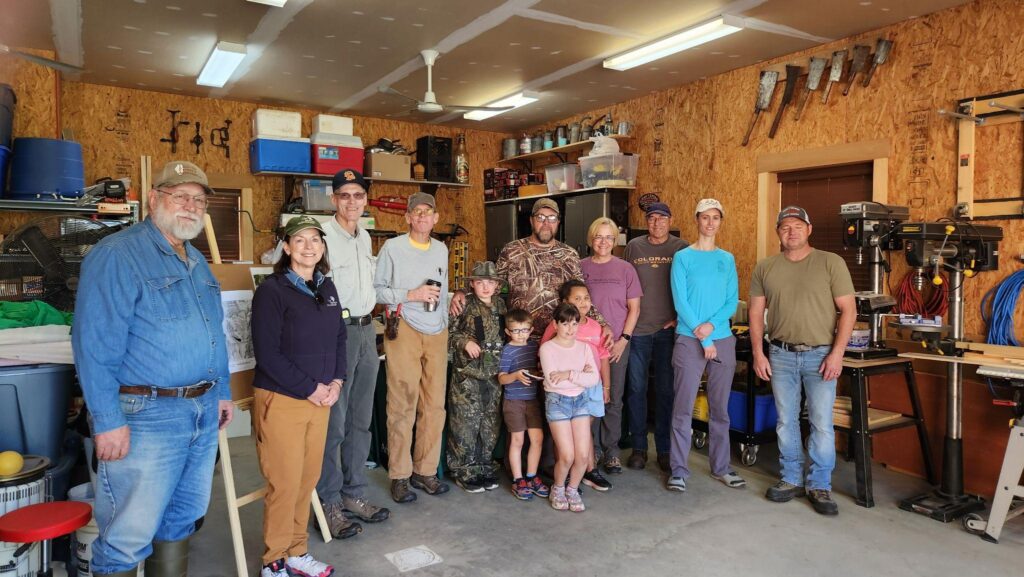
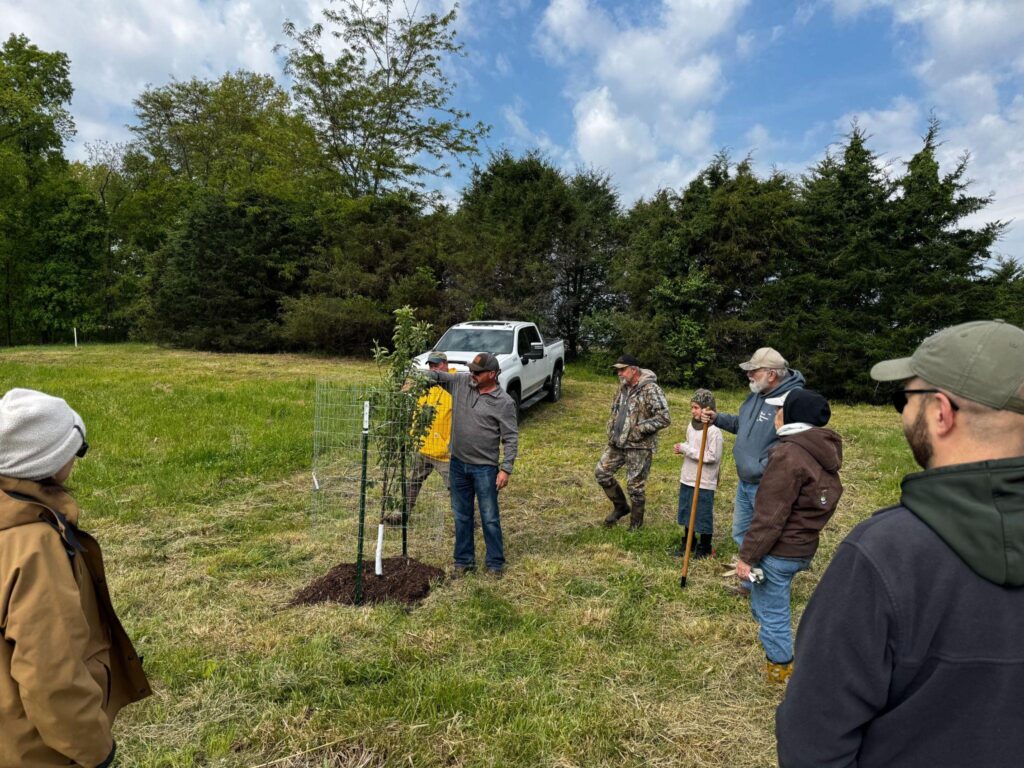
The Forests Forward project was created to make forestry education more accessible and welcoming to people across Illinois—from experienced woodland owners to curious residents and the next generation of forest stewards. Through hands-on events, online learning opportunities, and expanded outreach, the project connected people with trusted information, professional guidance, and one another. One of the project’s highlights was the Family Forestry Field Day, which transformed the woods into a shared learning space for all ages. Adults learned directly from professionals about issues such as oak decline, invasive species, soil health, and sustainable woodland management, while youth participants explored forest ecology through bird identification and nature explorations. By the end of the day, attendees took home native trees, extending the project’s impact beyond the field day and into their backyards. To further expand access to forestry education, IFA hosted regional “open gate” field days on member properties and at the Dixon Springs Ag Center. These events allowed landowners, residents, and forestry enthusiasts to experience forest management practices at a local level. Hosts shared practical experiences, management successes, and lessons learned, helping participants build confidence in woodland management, sustainable wood utilization, and long-term stewardship practices. The project also supported broader forestry outreach through quarterly webinars, educational materials, and planning efforts for an updated IFA website that will improve access to resources and opportunities for engagement in the future. In addition, the IFA Annual Conference brought together landowners, forestry professionals, educators, and partners for training, networking, and conversations focused on the future of Illinois forestry. Together, these efforts helped IFA reach a broader audience—including youth—while amplifying forestry training and outreach through new and different programs. The project strengthened membership engagement, attracted new members, and built long-lasting, impactful partnerships throughout the state. Most importantly, it helped create a stronger, more informed forestry community committed to the stewardship and conservation of Illinois forests for generations to come.
Family Forestry Field DayField trip tour of the Lovett Forest at Illinois Forestry Association’s Annual MeetingWood utilization field day at Dixon Springs Agricultural CenterIFA Field Day at Tobias PropertyIFA Field Day at Antler Ridge
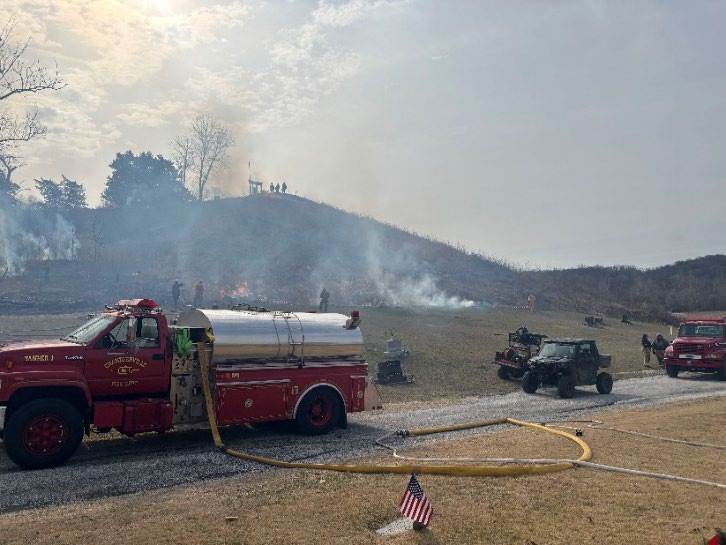
In July of 2026, PFQF and USFWS biologist teamed to accomplish several site visits on private lands which sparked the movement of work in this area with this grant. Throughout the fall months PFQF, USFWS and IDNR worked to develop an in-person workshop and live burn demonstration to be hosted in Central Illinois, unfortunately the government shutdown impacted the plans for this workshop and we ended up hosting an in-person indoor only workshop in January at Jim Edgar Panther Creek SFWA, where we had 22 participants attend and 7 partners present on different topics surrounding prescribed fire. We also hosted a Prescribed Burn Workshop in March in Arenzville, IL where we applied a more hands on and visual approach for our material presentation. Following both workshops, we hosted a Prescribed burn association interest meeting to introduce the idea, concept and purpose of a PBA. Focusing on how they have a collaborative function and the benefits they bring. Following our initial Prescribed Fire workshop we hosted a live burn demonstration in Chandlerville, IL on late February where we had local partners from Prairie Lands Conservancy, Alice L. Kibbe Life Science Research Station and the Chandlerville Volunteer Fire Department on site with resources. This burn demonstration and training day showed local landowners and provided a great opportunity for an exchange of prescribed fire knowledge and experience between conservation wildland firefighters and Chandlerville Firefighters. In addition to the live burn demonstration, we were able to burn several private landowners’ properties to achieve ecological objectives. Throughout our project timeline, we were also able to develop a multitude of workshop activities, such as burn plan writing workshops, burn unit design and ignition plan scenarios that encouraged group collaboration and discussion surrounding the preparation of burn units and how to best approach burn units with varying complexity levels. We also identified various workshop topics tailored to our audience of landowners or VFDs that hold different levels of experience. Regarding work for prescribed burn associations, we were able to develop informational pamphlets and flyers that outline and give more information on the concept of prescribed burn associations, how they function, leadership roles and estimated time commitments that a PBA might entail.
Chandlerville Cemetery RX, Photo By Shel Wilks, PFQFRX Burn in Chanderville, IL on Private Lands, Photo by Emily Hodapp, USFWSRX burn on private lands in Arenzville, IL, Photo By Emily Hodapp, USFWSRx Burn on private lands in Arenzville, IL. Photo By Emily Hodapp USFWS
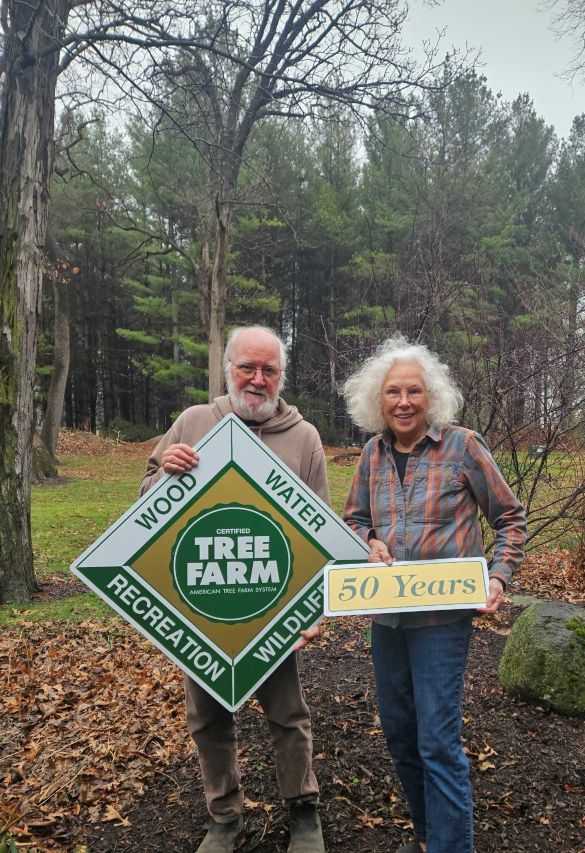
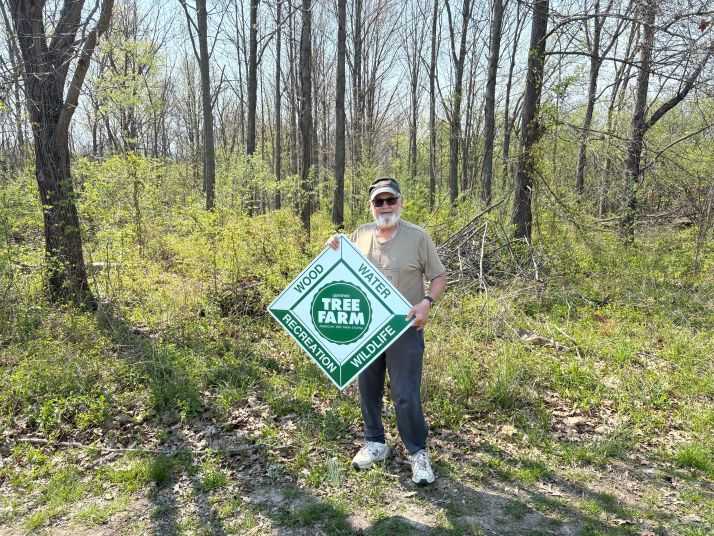
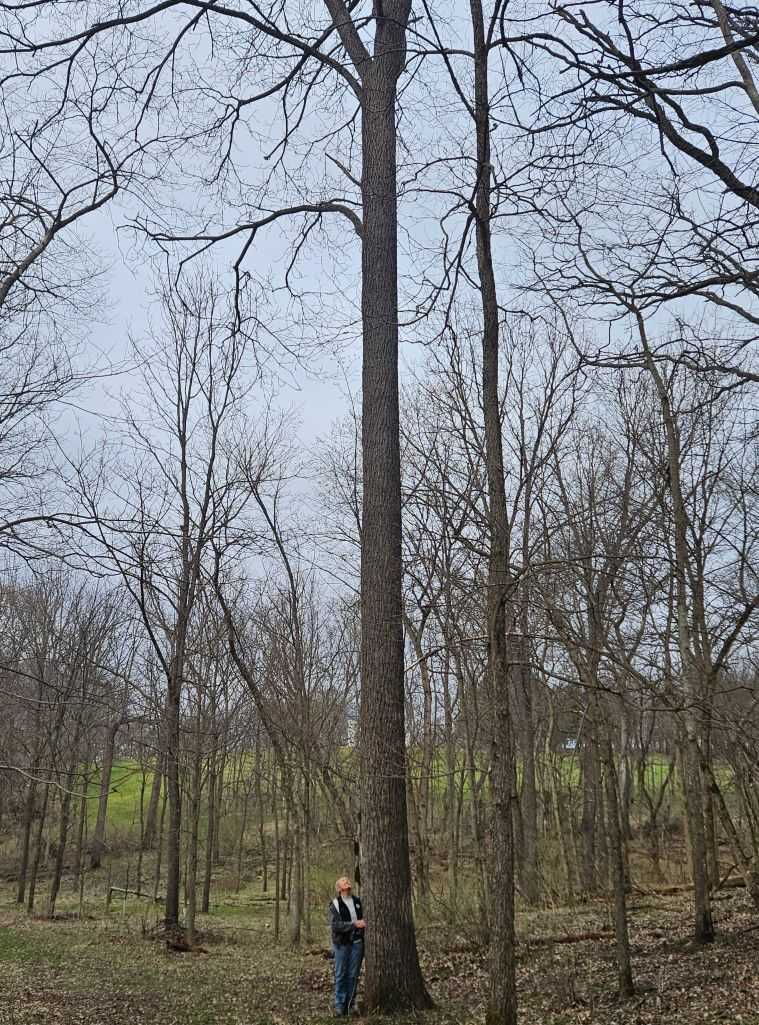
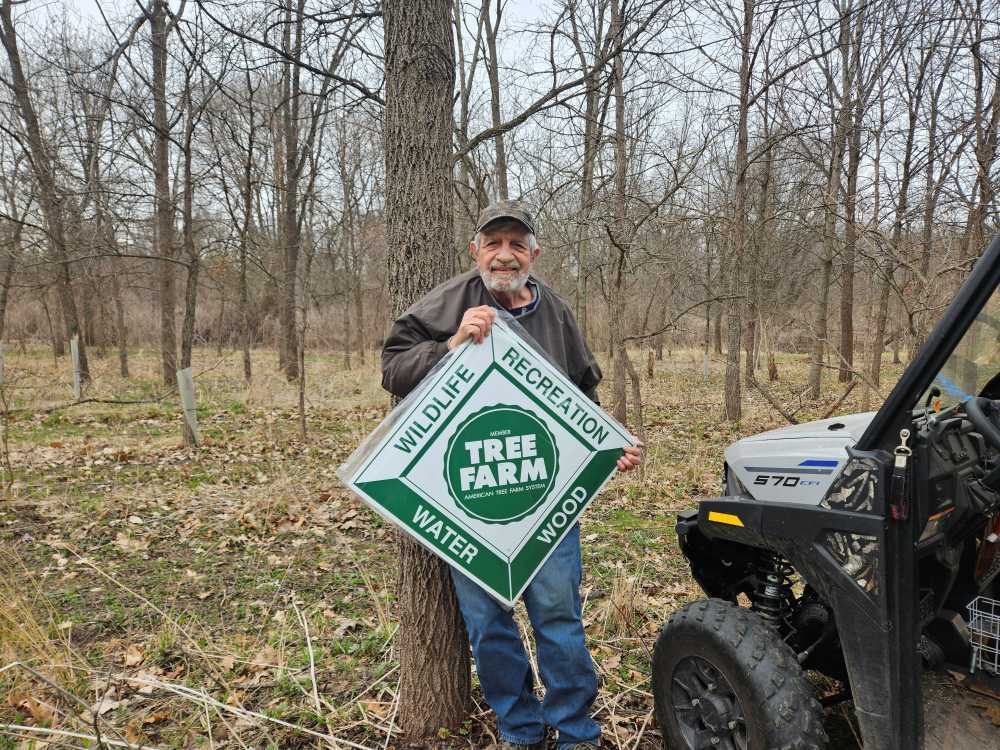
Private forestry professionals were contracted to inspect Illinois Tree Farms that had not been inspected in over 10 years. American Tree Farm System (ATFS) policy is that Tree Farms should be inspected at least once every 10 years for compliance with the American Forest Foundation (AFF) Standards of Sustainability. The Illinois Tree Farm Program has historically relied on Illinois DNR Foresters to conduct these inspections. In recent years, however, the workload on IDNR Foresters has reduced their capacity to inspect tree farms resulting in a significant backlog of properties to be inspected. These inspections are a core component of ATFS as they help ensure that forest landowners have an up-to-date forest management plan that they are following, and inspections provide an opportunity for forest landowners to receive feedback and guidance from a forestry professional. A total of 56 tree farms were inspected. Of these, 32 were recertified as compliant with ATFS requirements, collectively representing 2,800 acres of Illinois forest. Most of these landowners take pride in their tree farms and were appreciative of the opportunity to share and discuss their forest management activities. Several inspectors reported that they were also reinvigorated by the experience and wanted to continue inspecting more tree farm properties.
Michael & Patricia Johnson receive 50-year recognition after their inspectionTom Blasdell standing in front of mixed oak, pecan plantation planted in 1990Beautiful Black Walnut on the Hawes Tree FarmJohn Jachino proudly holds his Tree Farm sign
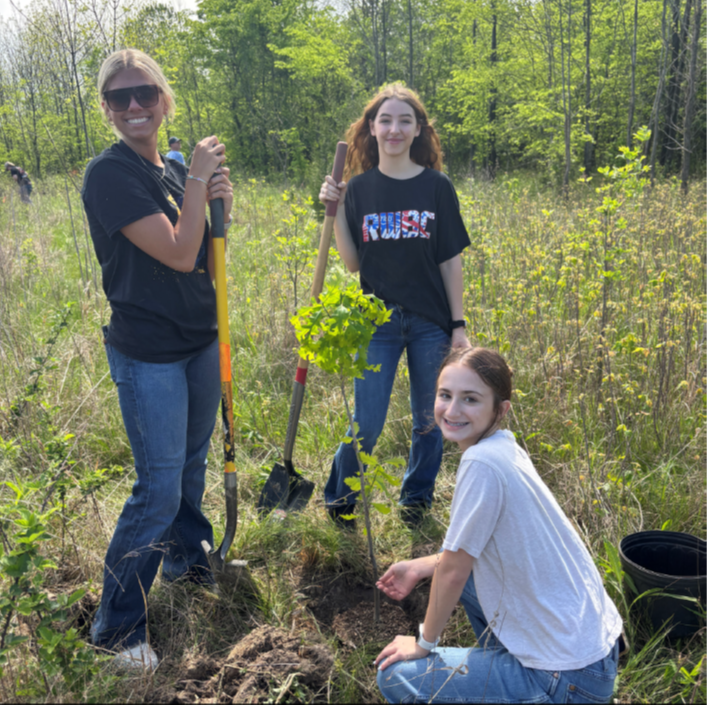
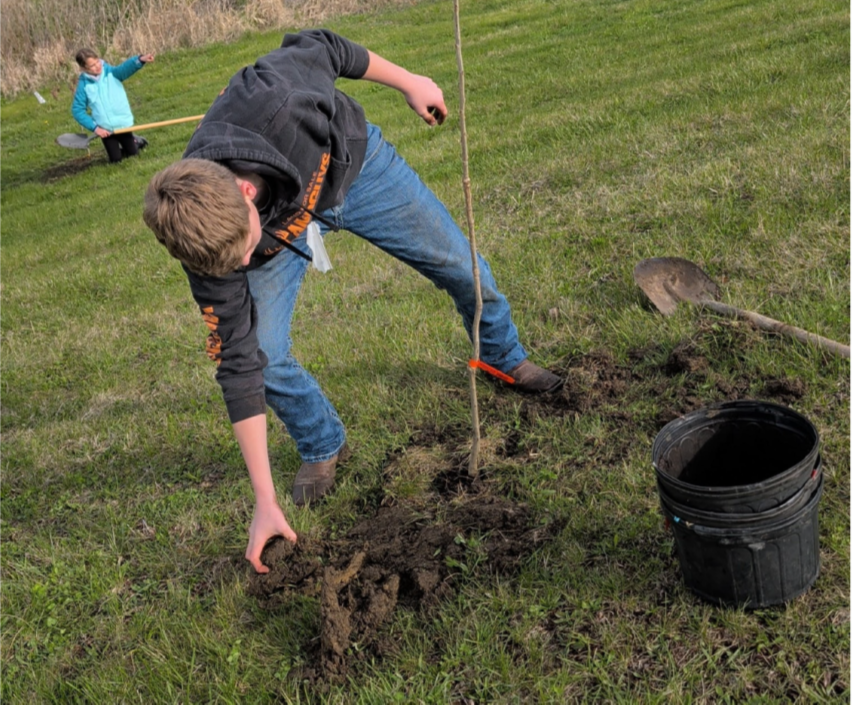
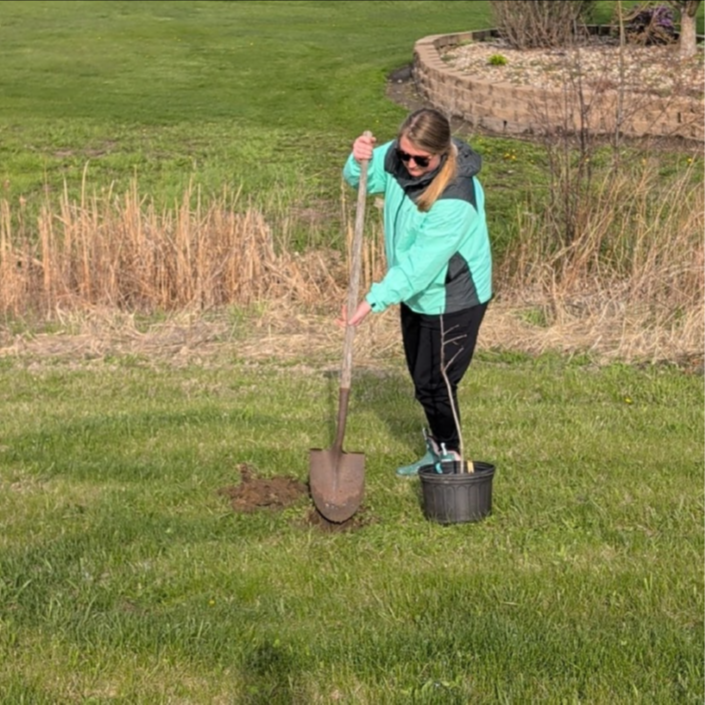
The AISWCD Forestry Committee and Extension 4-H continued their tree planting partnership this spring. Forty-Five Soil and Water Conservation Districts and local Extension offices across the state participated in year five of the joint tree planting project utilizing 4-H youth at the local level to do the actual planting. The potted four-foot-tall RPM Oak trees for the project were purchased from Forrest Keeling Nursery in Elsberry, Missouri. A total of 1125 trees were planted creating oak savannas across the state. Forty-five participating districts received 25 oak trees consisting of: 10- White Oak, 10- Bur Oak and 5- Red Oak. Tree planting began on Thursday March 26, and concluded on Saturday May 2. The most active planting time was mid-April. The trees were planted on public sites across the state, including schools, nature preserves, city parks and fairgrounds. For the five years of the project, we have planted 5,325 trees at 213 sites from north to south and east to west across Illinois. The 213 sites include locations in 92 different counties. The AISWCD Forestry Committee, SWCD’s and Extension 4-H consider this project to be an overwhelming success. Our vision is to continue the tree planting program until we have planted at least one Oak Savanna in every county in the state. Funding partners for the project were Illinois Forestry Development Council; Extension 4-H Foundation; and the Association of Illinois Soil and Water Conservation Districts.
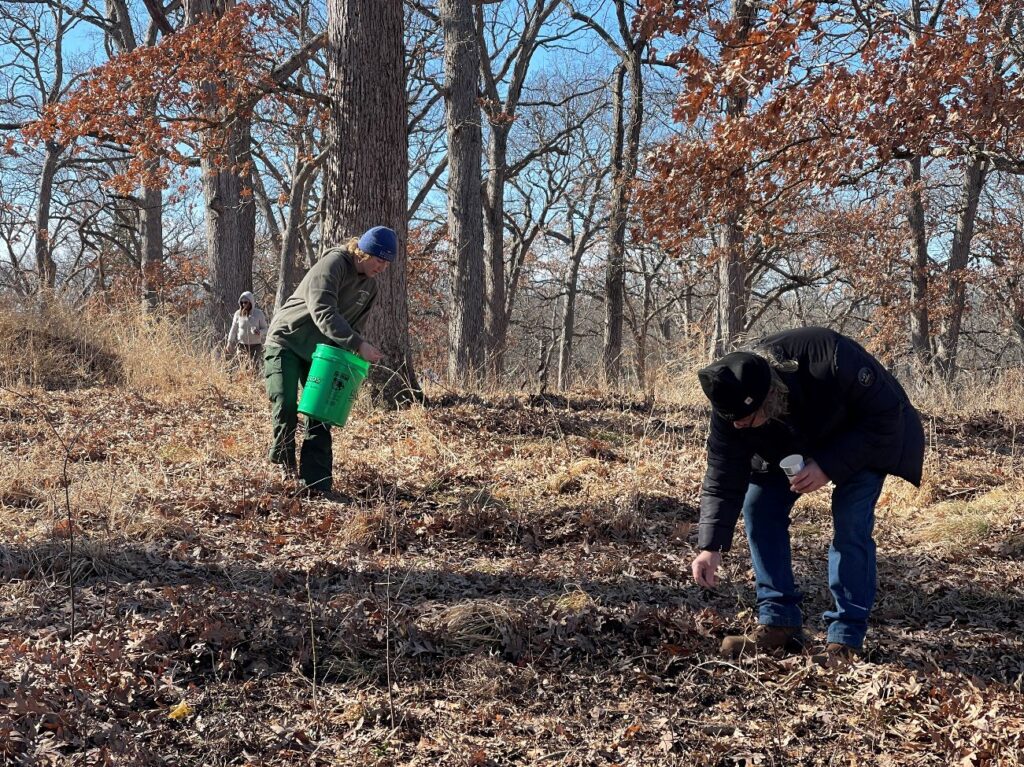
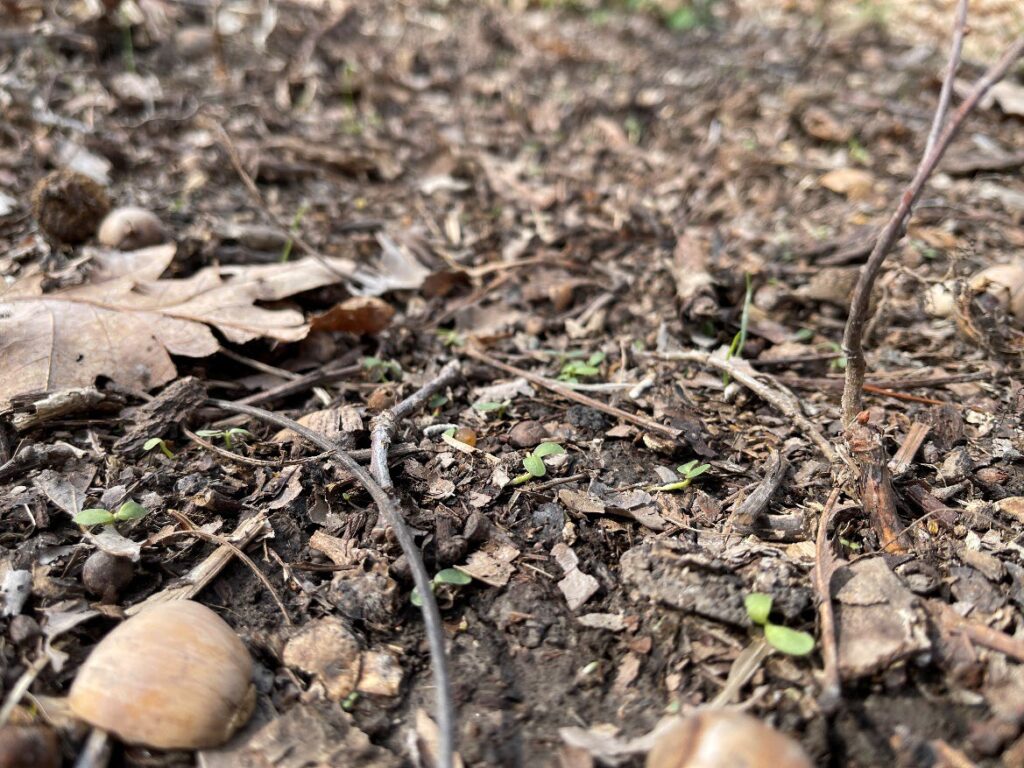
Campton Township Parks and Open Space planned to increase restoration efforts in a woodland management unit at one of their open space properties, the 208-acre Gray Willows Farm. This project was performed by acquiring an order of native herbaceous woodland seeds to be spread by staff and volunteers in the cleared unit. The project was successful in spreading $8,572.82 worth of native seed throughout the 3-acre management unit. Native seeds can take a couple years to establish roots and start flowering, so the visual payoff may be somewhat underwhelming at this point, but we have experience with volunteer seed harvests and spreading with our prairie units, and are excited to now include woodland seeding to our repertoire thanks to the contribution made by the Illinois Forestry Development Council. A review of the IFDC’s mission points and their context in the township’s open space program was given during the seed spreading workday to highlight the importance of collaboration in the environmental field.
Staff and volunteers spreading seed in the previously cleared patches of the F-3A unit (photo taken 2/11/2026)New sprouting plants in cleared patches (photo taken 4/8/2026)
The Illinois Forestry Development Council is now accepting proposals for our FY’27 Small Projects Program. Proposals are due by July 1, 2026. For more information on the program and the submission process, see the FY’27 Small Projects Program Request for Proposals.
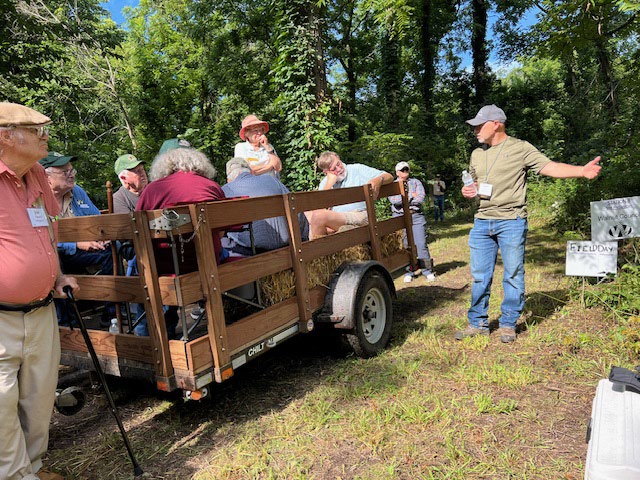
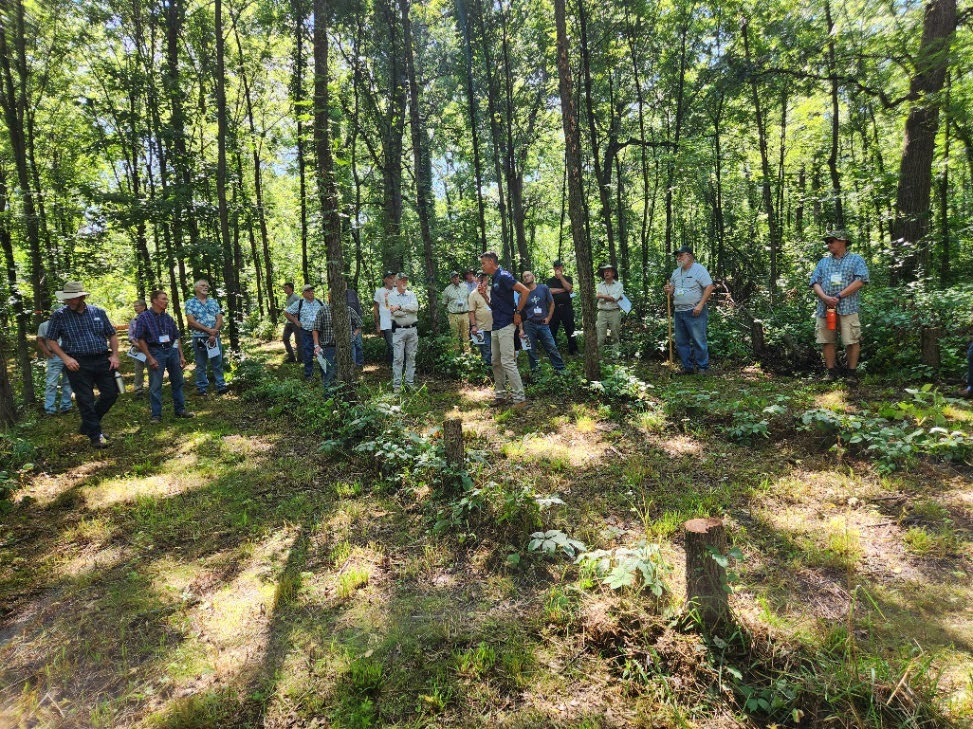
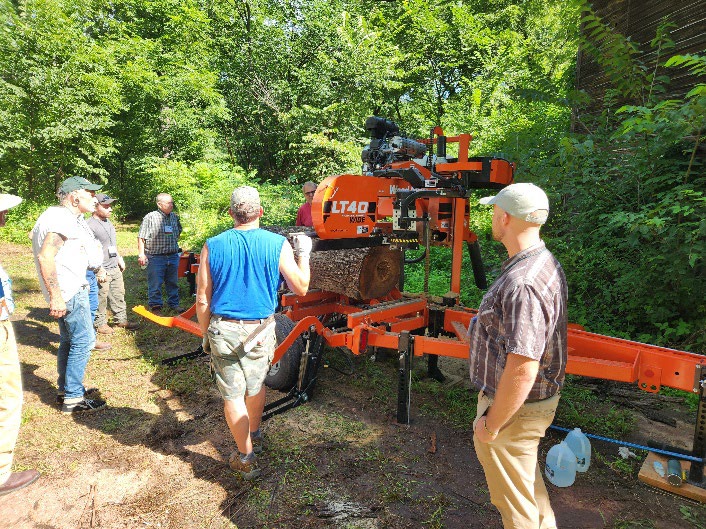
In July 2025 Illinois Chapter of Walnut Council hosted a national meeting in Rockford Illinois. This forestry focused meeting was made possible through matching grant funding received from Illinois Forest Development Council Small Projects Program. Over the course of two-and-a-half-days, 113 attendees toured an actively managed 30-acre woods, observed a working saw mill cutting small diameter logs, and examined the results of Crop Tree Release in a plantation setting. Participants also learned techniques to accelerate natural regeneration in a post-harvest woodlots. Indoor sessions featured expert presentation on digital forestry, wood utilization, forest health, and how private land owners can propagate trees for enrichment plantings in their woodlands. Participants indicated that they plan to adopt the following management practices: